
Column of HopeChiari & Syringomyelia Research FoundationWorking Toward a Life Without Pain
A 501(c)(3) public charity · Est. 2004

This started at a kitchen table. It ends with a cure.

Searching for better understanding, treatments, and cures for Chiari malformation (CM), syringomyelia (SM), neuropathic pain, spinal cord injury and related conditions. Since 2004, Column of Hope (COH) has raised over $1 million for research — one gala, one gift, one neighbor at a time.

Donate to the researchRead our story
22
years funding CM / SM research
$1M+
raised for research
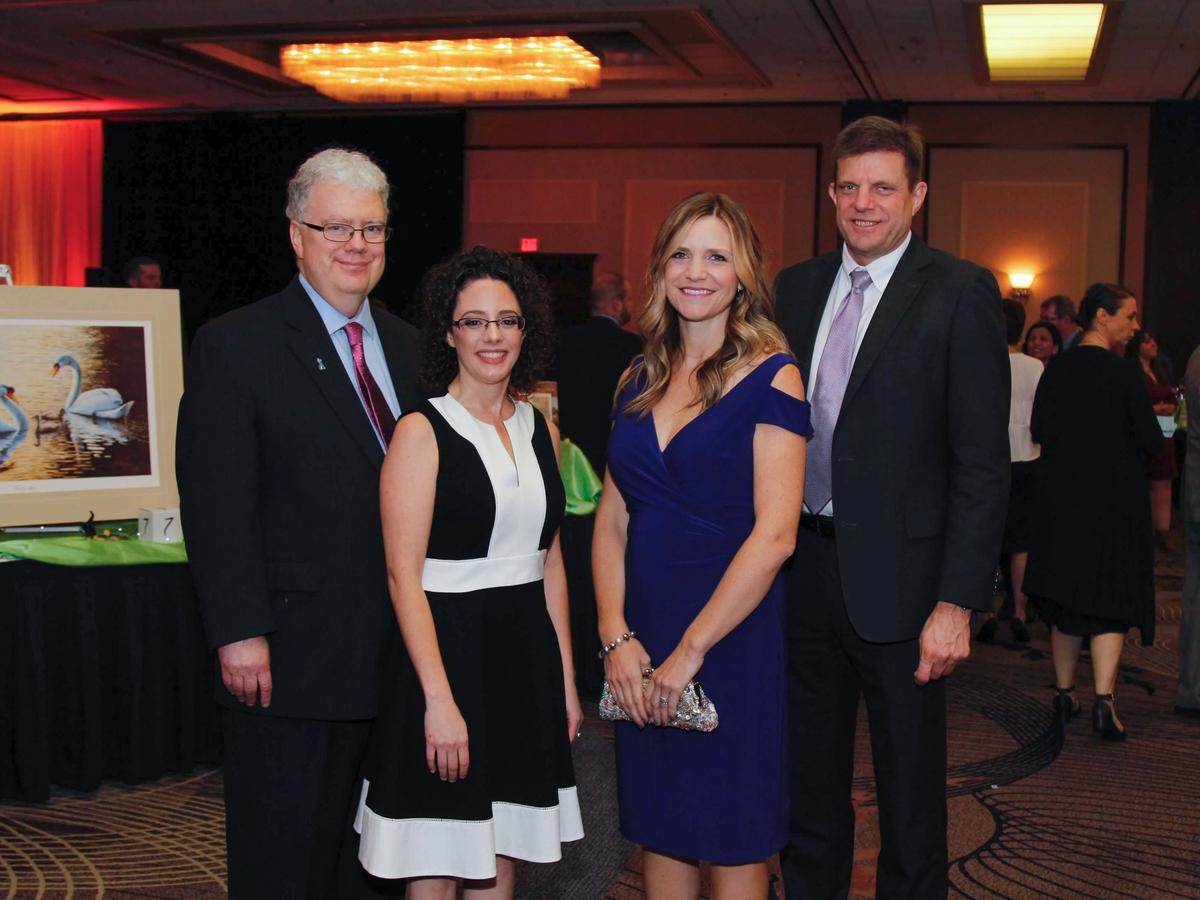
Mark Kane, Laura Kane-Punyon, Dr. Renée Reynolds, Dr. Marcus Stoodley

Right Now, in the Lab

Research update

Dr. Marcus Stoodley's team at Macquarie University and Neuroscience Research Australia is defining the technical outcomes for successful Chiari surgery — continuing a research partnership that began in 2007.

The Research

22 years of funded science, and counting.

Since 2007, we have backed Dr. Stoodley's lab through grant after grant. We believe he has the deepest body of evidence anywhere of how syringomyelia works. We believe our Chiari malformation research is among the world's leaders.

48published, peer-reviewed studies
AU$729,270NHMRC grant secured over four years

Patient Education

Understand the conditions we are fighting.

Chiari malformation

Before surgery
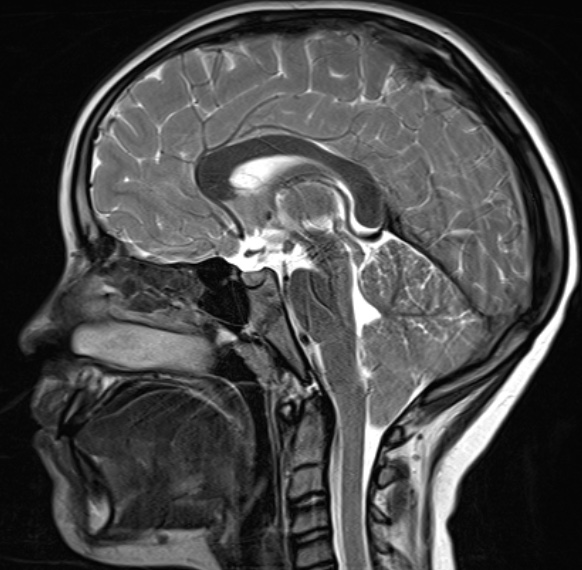
MRI scan, chiari malformation, before surgery. Cerebellar tonsils are herniated through the foramen magnum.
  1. Cerebellar tonsils are herniated through the foramen magnum
After surgery
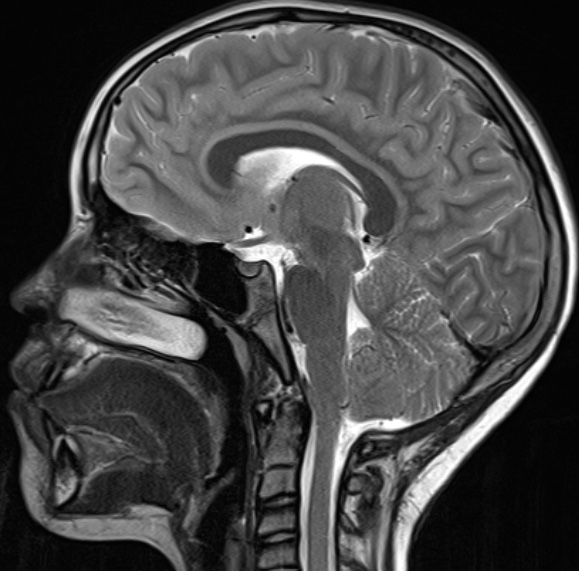
MRI scan, chiari malformation, after surgery. Posterior fossa has been decompressed, allowing for more room for the tonsils.
  1. Posterior fossa has been decompressed, allowing for more room for the tonsils

Chiari with syringomyelia

Before surgery
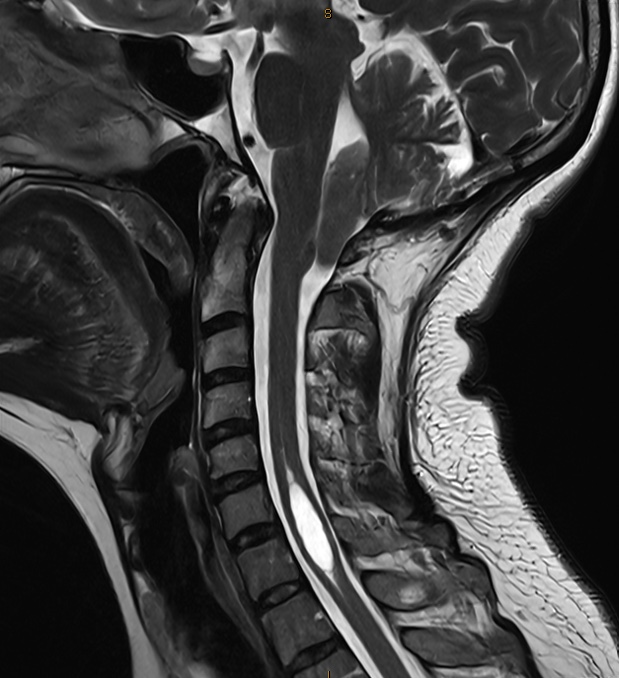
MRI scan, chiari with syringomyelia, before surgery. Cerebellar tonsils have herniated into the spinal canal, impeding the flow of cerebrospinal fluid (CSF). Syrinx in the spinal cord.
  1. Cerebellar tonsils have herniated into the spinal canal, impeding the flow of cerebrospinal fluid (CSF)
  2. Syrinx in the spinal cord
After surgery
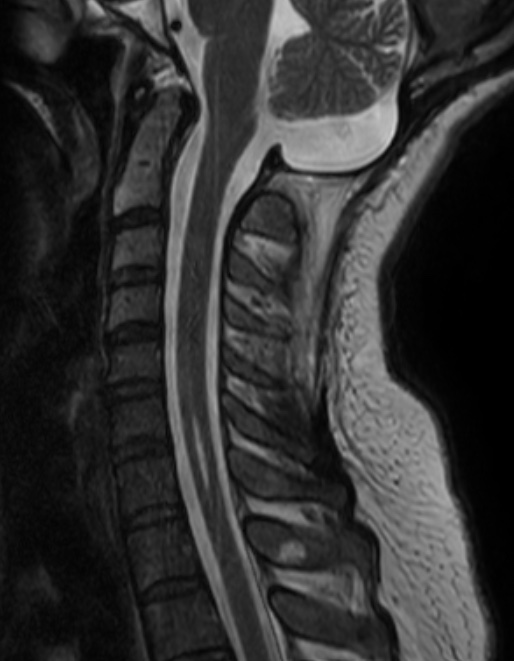
MRI scan, chiari with syringomyelia, after surgery. CSF flow has been restored. Syrinx has collapsed.
  1. CSF flow has been restored
  2. Syrinx has collapsed
Two patients, each shown before and after surgery. See them full size, with the labels

Our Sponsors

The Businesses Behind the Research

Candid transparency sealDonate